V is for Victorian Attractions
For groups looking to explore Victorian history in the UK, there are numerous attractions that offer a rich and immersive experience. Here are some notable Victorian sites that are perfect for group visits: Head to Nottingham and you will find the Workhouse and Infirmary this austere building, the most complete workhouse in existence, was pivotal in the development of our national health and welfare system.
For decades it was where the poorest in society worked and where they received food, shelter and medical care. Charles Dickens's Oliver Twist painted a bleak picture of life in the workhouse. Here in this rural workhouse at Southwell, they show that - although harsh and monotonous - aspects such as education, medical care or diet may have been better inside The Workhouse than for the poor in their own homes. Lanhydrock house and estate, in Cornwall, is built on wealth from the local tin trade.
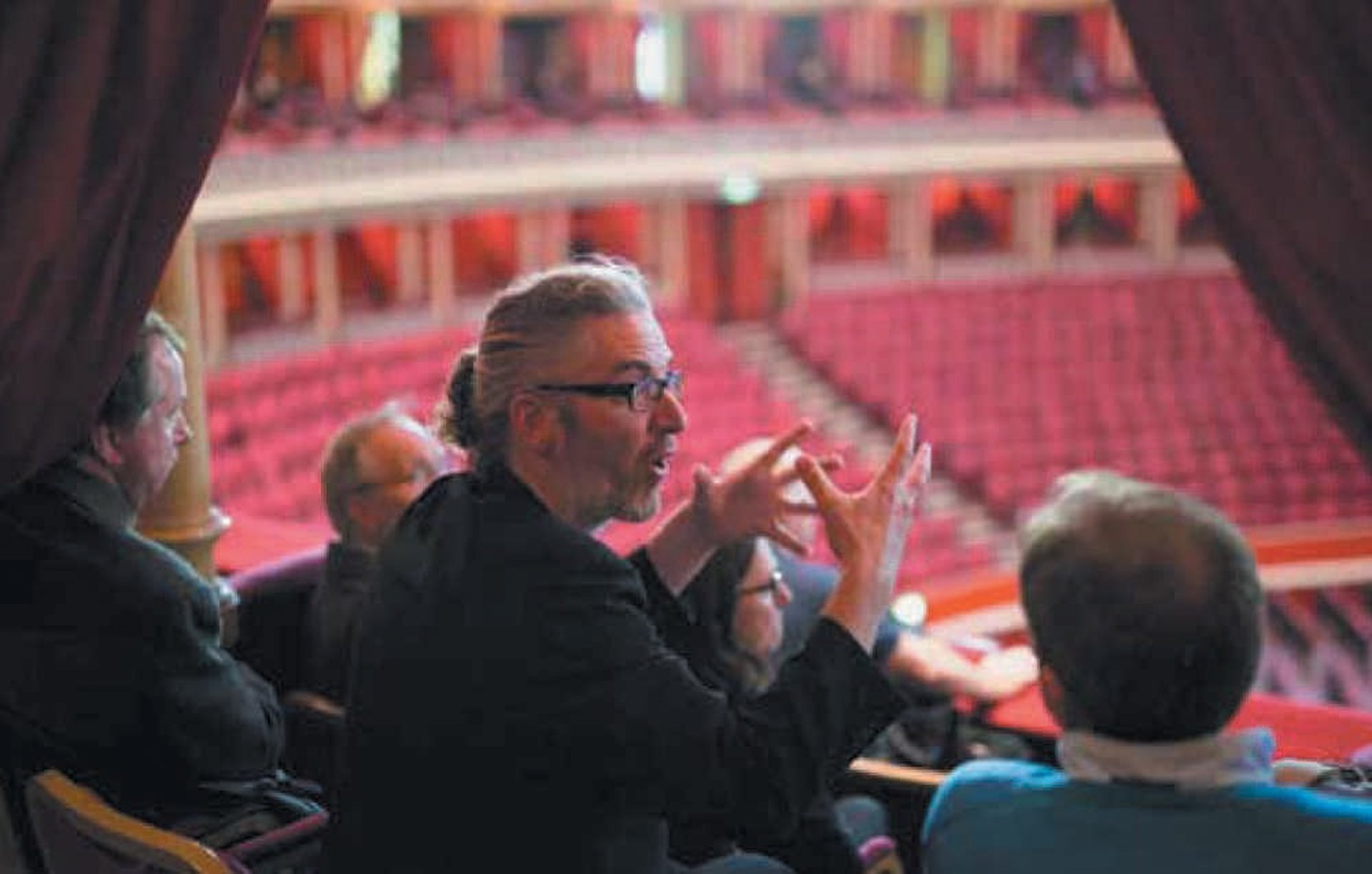
The Robartes family lived here from the 17th century, surviving the religious and political struggles of the British Civil War. Following a devastating fire in 1881, the Agar-Robartes rebuilt the house, once again making it their family home in Cornwall until it was transferred to the care of the National Trust in 1954. Discover the Robartes family and the newly conserved Long Gallery ceiling on the Robartes Route, explore the lives of the Victorian Agar- Robartes children on the Family route, and meet the servants below stairs who cared for the house and family. Since it was built in 1871, the Royal Albert Hall has remained one of London's most popular entertainment venues. Having survived two world wars, the Royal Albert Hall looks almost the same as it would have during Queen Victoria's reign.
Originally named the Central Hall, construction began under the direction of Prince Albert using the profits of the Great Exhibition of 1851, which took place just opposite the site, in Hyde Park. Queen Victoria decided to rename the building the 'Royal Albert Hall of Arts and Sciences'. The Prince of Wales declared it open on behalf of his mother on 29 March 1871.
Though present, Queen Victoria was too emotional to speak since the building reminded her of her late husband, Prince Albert, who had died around a decade earlier in 1861. Sadly, Albert didn't live to see that the Hall had been named in his honour. Tours are available of the Royal Albert Hall, where you can explore the royal areas, experience the breathtaking auditorium, and marvel at the famous stage that's been host to famous figures like Winston Churchill, and Albert Einstein.
Copyright © Discover Britain's A to Z Guide of Group Attractions, 2026. All Rights Reserved.